
Floor

Factory Guide

The Power of Fermentation
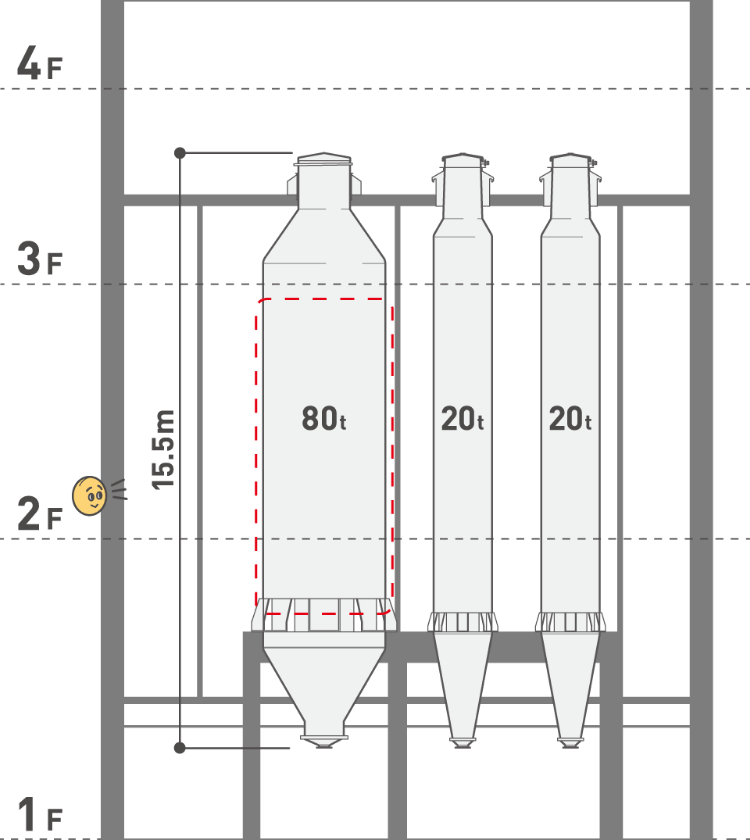
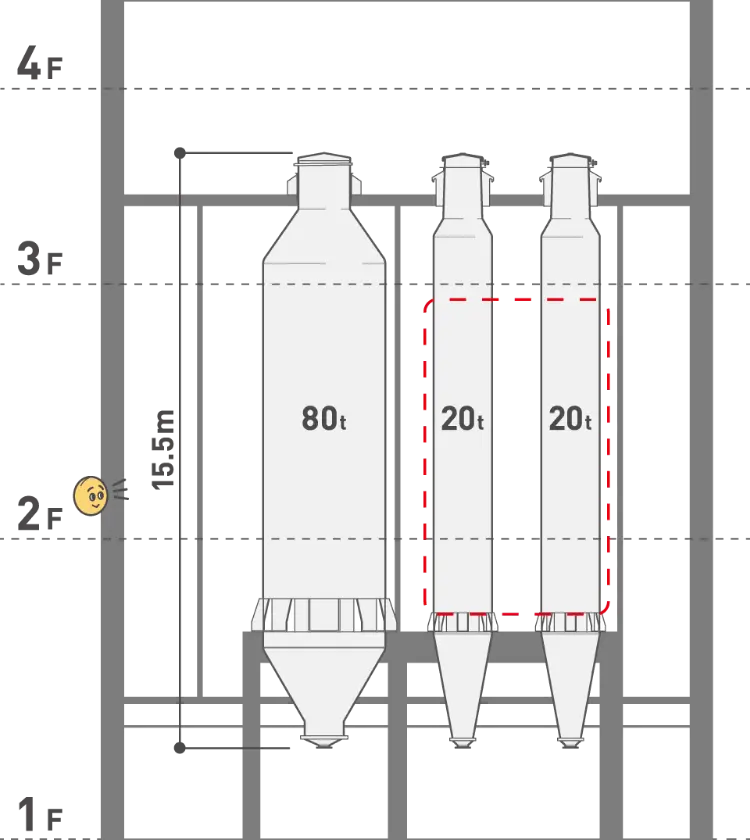
The part of the tank shown in is visible through the window.
Koji Mold
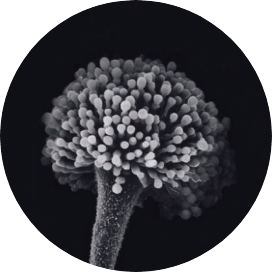
These multicellular organisms grow to a size visible to the naked eye. When their spores are sprinkled onto steamed rice, they germinate and multiply, producing enzymes that break down the raw materials used to make miso, creating sweetness, umami ,and other flavor compounds.
Yeast
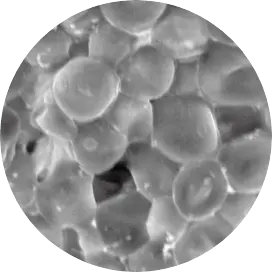
Measuring 2.5–5 μm in size, these eukaryotic microorganisms reproduce by budding. Using sugars produced by enzymes from koji mold as a nutrient source, they carry out alcoholic fermentation that creates the characteristic aroma and flavor of miso.
Lactic Acid Bacteria
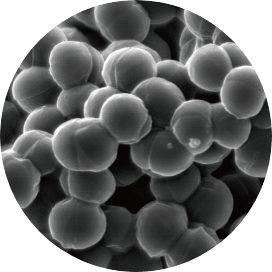
Measuring 0.5–1 μm in size, these cocci reproduce by cell division. The lactic acid bacteria involved in miso fermentation are resistant to salt and produce lactic acid, creating a suitable environment for yeast to thrive.